Valencia, Spain — Where the Future Meets the Mediterranean
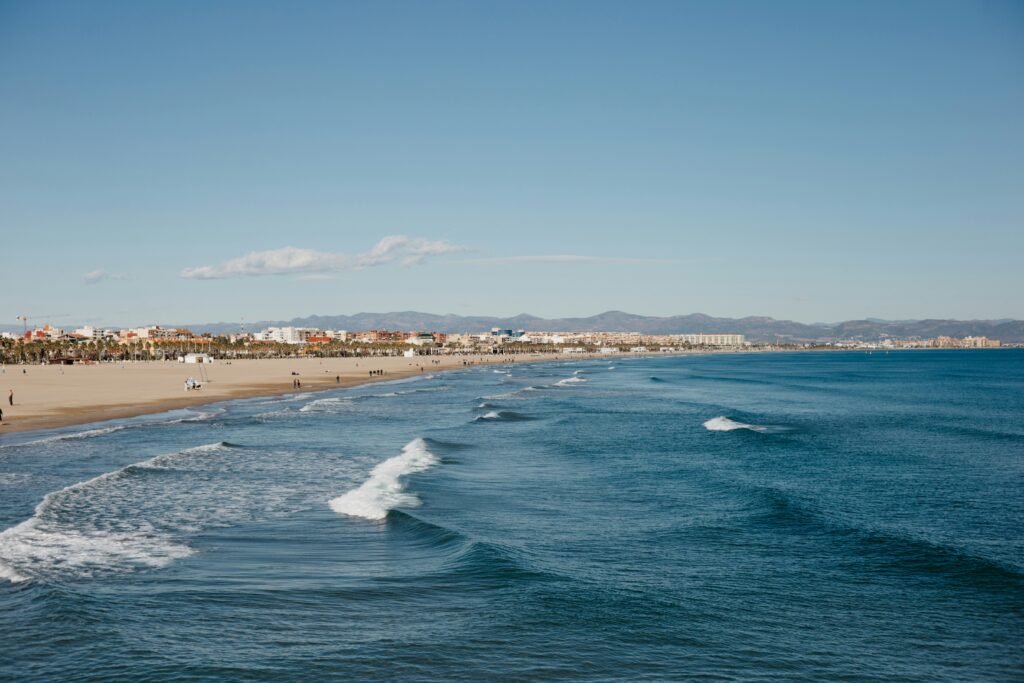
There’s a certain kind of traveler who falls in love with Valencia instantly.
Not because it’s loud.
Not because it tries to impress at every corner.
But because the city feels effortless.
Valencia doesn’t overwhelm visitors with crowds or chaos. Instead, it slowly reveals itself through sea breeze evenings, vibrant local markets, futuristic architecture, and long lunches that stretch into sunset conversations.
It’s a city where tradition and innovation sit at the same table.
One moment you’re standing inside a centuries-old Gothic monument, and the next you’re walking through a futuristic complex that looks designed for another planet.
That contrast is what makes Valencia unforgettable.
Why Valencia Feels Different From Other Spanish Cities
Unlike heavily visited cities where tourism dominates daily life, Valencia still belongs to its locals.
You notice it in small ways:
- Families cycling through parks at sunset
- Neighbors chatting from balconies
- Tiny cafés filled with students and artists
- Markets that still feel authentic instead of staged
The pace here feels calmer than Barcelona and less formal than Madrid.
Valencia gives travelers space to actually experience the city instead of rushing through it.
Places in Valencia You Shouldn’t Miss
The Futuristic Side: City of Arts and Sciences
This is the place that surprises almost everyone.
The architecture looks surreal — giant white curves, mirror-like water reflections, and structures that resemble spacecraft rather than buildings.
Designed by Santiago Calatrava, the complex completely changed Valencia’s skyline.
Even if you don’t enter the museums or aquarium, simply walking through the area feels cinematic.
The best time to visit?
Just before sunset, when the entire complex glows against the evening sky.
The Historic Core: El Carmen
If the futuristic district shows Valencia’s modern side, El Carmen reveals its personality.
This old neighborhood is a maze of:
- Medieval streets
- Colorful graffiti
- Hidden bars
- Tiny art galleries
- Quiet stone plazas
Every street feels slightly different from the last.
One alley may lead to centuries-old architecture, while the next reveals giant contemporary murals covering abandoned walls.
That blend of old and new defines Valencia perfectly.
Turia Gardens — The Park That Changed the City
One of Valencia’s smartest ideas was transforming an old riverbed into a massive urban park.
Today, the Turia Gardens stretch across the city like a green artery filled with:
- Palm trees
- Cycling paths
- Sports areas
- Picnic spots
- Open-air cafés
It’s where the city comes alive in the evenings.
Locals don’t just pass through the park —
they live in it.
Malvarrosa Beach — Valencia’s Relaxed Coastal Escape
Unlike many crowded Mediterranean beaches, Malvarrosa feels refreshingly easygoing.
There’s no pressure to rush.
No obsession with luxury.
Just long promenades, seafood restaurants, warm sand, and locals enjoying slow afternoons by the sea.
The atmosphere becomes especially beautiful late in the evening when the sky turns orange and restaurants begin filling with people ordering paella near the water.
What To Eat in Valencia
Valencia’s food scene is deeply connected to its surroundings:
the sea, the orchards, and the rice fields nearby.
And yes —
this is the birthplace of:
Paella.
But authentic Valencian paella may surprise first-time visitors.
Traditional versions are simpler and more rustic than international adaptations, often prepared with rabbit, chicken, beans, and saffron rice cooked over wood fire.
Locals usually eat paella during lunch — not dinner.
Other Local Specialties Worth Trying
Horchata
A cold drink made from tiger nuts, especially popular during summer.
Sweet, creamy, and refreshing.
Fideuà
A seafood dish similar to paella but made with noodles instead of rice.
Agua de Valencia
Valencia’s signature cocktail combining orange juice, cava, vodka, and gin.
Best Restaurants in Valencia
Casa Carmela
One of the city’s most respected places for traditional wood-fired paella.
Classic, authentic, and beloved by locals.
La Pepica
Historic beachfront restaurant known for seafood rice dishes and old Mediterranean charm.
Canalla Bistro
Creative modern cuisine with international influences and stylish interiors.
Mercado Central
More than just a food market.
Inside, you’ll find fresh produce, local cheeses, seafood, spices, and traditional snacks beneath one of Europe’s most beautiful market buildings.
Valencia’s Most Fascinating Festival: Las Fallas
Every March, Valencia becomes one of the loudest and most visually intense cities in Europe.
Huge handcrafted sculptures fill the streets for days before being dramatically burned during giant nighttime celebrations.
The festival mixes:
- Art
- Satire
- Fire
- Music
- Tradition
Locals spend an entire year preparing for it.
Las Fallas is not simply an event —
it’s part of Valencia’s identity.
A Lesser-Known Side of Valencia
Many visitors don’t realize Valencia was once one of Europe’s richest trading cities.
The elegant La Lonja de la Seda — the old Silk Exchange — still reflects the city’s prosperous past.
Its Gothic interiors feel grand enough to rival royal palaces.
Valencia has always been connected to trade, creativity, and craftsmanship.
That legacy still shapes the city today.
Best Time to Visit Valencia
March to May
Ideal weather and festival season.
Especially recommended for experiencing Las Fallas.
September to October
Warm temperatures, fewer tourists, and perfect beach evenings.
Final Thoughts
Valencia is one of those rare cities that feels complete.
It has beaches without losing culture.
Modern architecture without losing history.
World-famous food without becoming pretentious.
Valencia doesn’t demand attention.
Instead, it quietly earns it —
through warm evenings, unforgettable meals, and a rhythm of life that feels wonderfully Mediterranean.

Leave a Reply